Designing a trade show stand – how to create a space that really works?
n the world of trade shows, visitor attention is today’s most valuable
currency. Several hundred stands in a single hall, intense light, noise, and a multitude of
visual messages mean that standing out requires
more than just attractive graphics. Designing a trade show stand is
a strategic process in which aesthetics must be combined with
functionality and business goals.
The first stage is always analysis. Before a concept is developed,
key questions must be answered: what is the purpose of participating in the trade show?
Sales, building relationships, product launches, image? Who are
the audience and how will they navigate the space? A well-
designed trade show structure begins with understanding the brand and its
strategy.
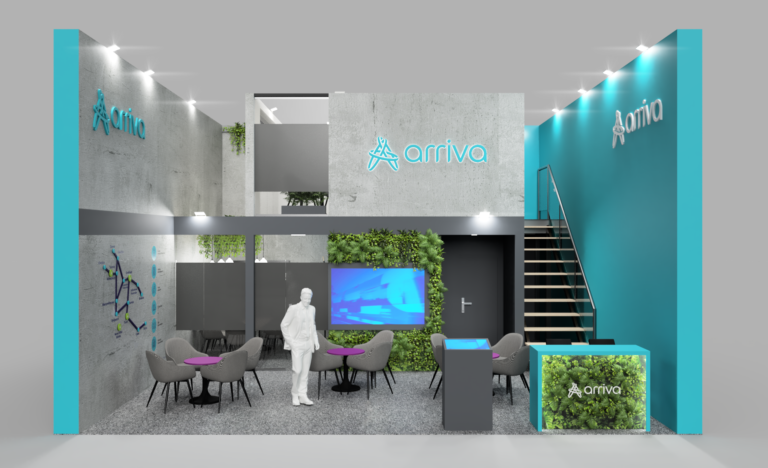
The next step is the spatial concept. This is where the
functional layout is created – meeting areas, product displays, and
technical support. 3D design allows for verification of proportions, visibility, and
clarity of visual communication. Modern design tools
allow for fine-tuning of details even before production begins.
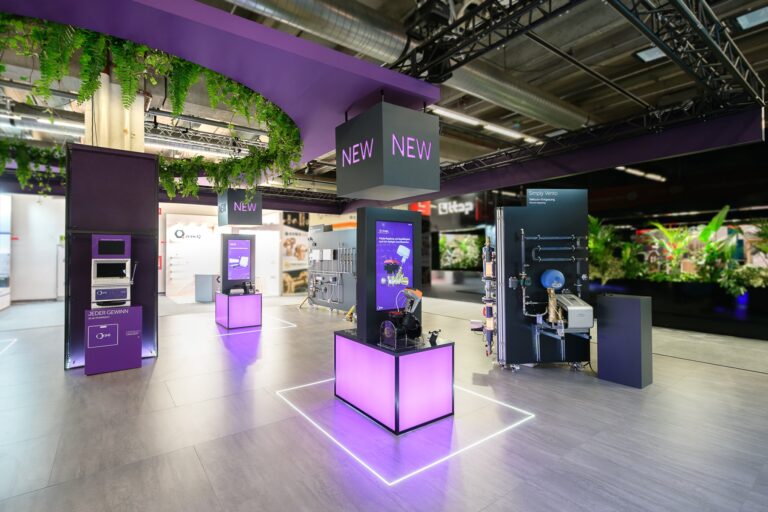
Then comes the technical and production phase.
Material selection, structural solutions, and lighting and multimedia integration
– these are the elements that determine the final effect. A sustainable approach is also becoming increasingly
important:
modular construction, the possibility of reusing components, and
energy-efficient solutions.
The final test of a project comes during assembly in the exhibition hall. This is
the moment when the concept must be implemented in accordance with
the schedule and the organizer’s requirements. Precision of workmanship, consistency
of detail, and appropriate lighting determine whether the space will
attract attention and foster sales conversations.
A well-designed exhibition stand is not just a structure. It is
a sales and image-building tool. It should attract attention, lead
the eye, create a comfortable conversation, and support the sales team’s activities.
This is why stand design is a process that requires both
creativity and implementation experience.
In an era of message overload, projects that are
well-thought-out, functional, and meticulously crafted win. Because design in
the exhibition space is not just about how something looks—but above
all, how it functions.